Toward a Concrete Utopia: Architecture in Yugoslavia, 1948–1980 - Hardcover
Situated between the two rival Cold War blocs, Yugoslavia produced a “parallel universe” of modern architecture, built to meet the needs of the country’s unique brand of self-managing socialism, often described as the “Third Way.” Responding to the social and political climate, Yugoslav architects freely reinterpreted international currents in design, merging them with a variety of local building traditions. At the same time, Yugoslavia also became a major exporter of modernist architecture to postcolonial Africa and the Middle East. While the remarkable body of work that emerged in the postwar socialist era has sparked recurrent international interest, no rigorous examination of this understudied but significant chapter in the history of architectural modernism has been available in the United States until now.
Product Information
Product Information
Shipping & Returns
Shipping & Returns
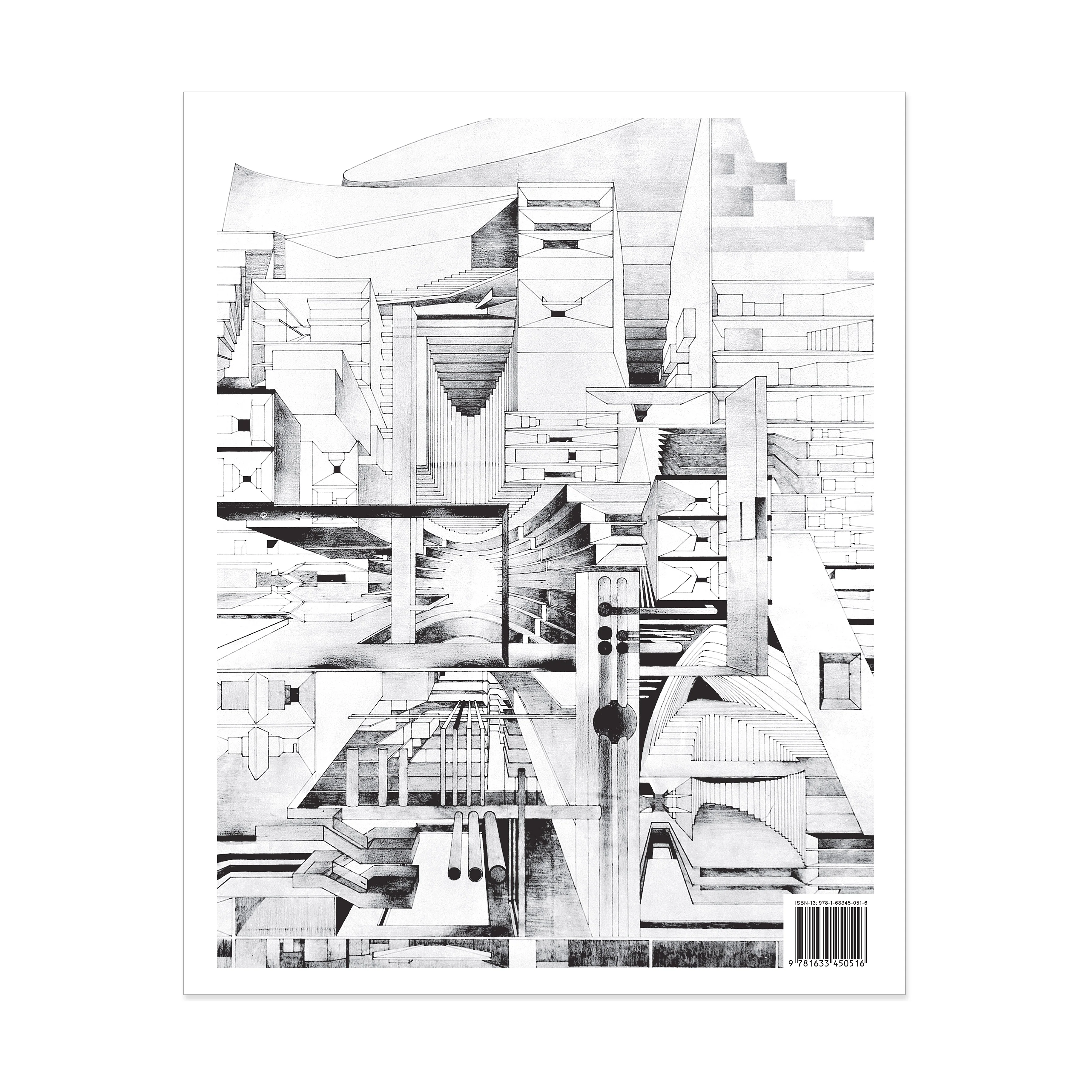
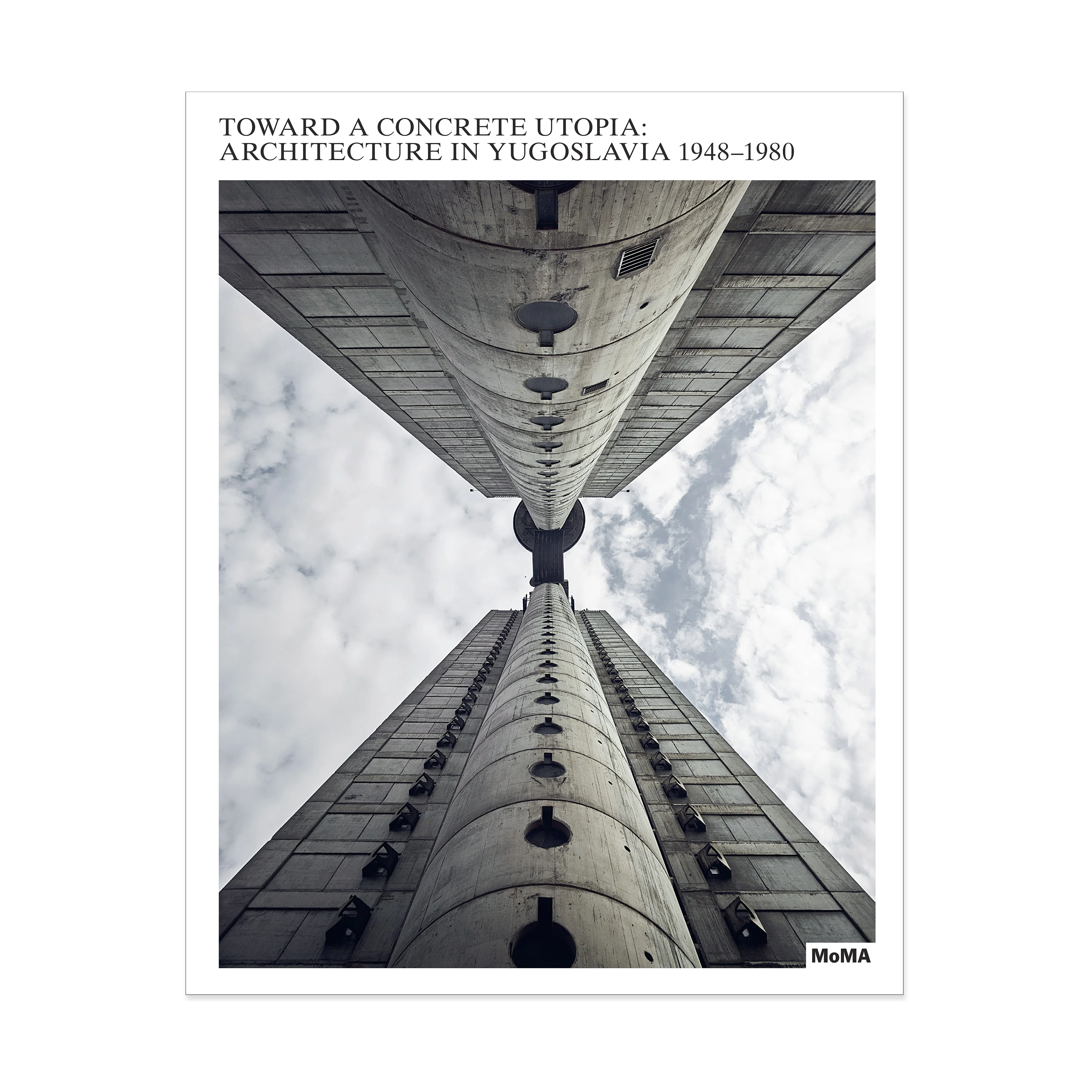
Toward a Concrete Utopia: Architecture in Yugoslavia, 1948–1980 - Hardcover
Toward a Concrete Utopia: Architecture in Yugoslavia, 1948–1980 - Hardcover
Situated between the two rival Cold War blocs, Yugoslavia produced a “parallel universe” of modern architecture, built to meet the needs of the country’s unique brand of self-managing socialism, often described as the “Third Way.” Responding to the social and political climate, Yugoslav architects freely reinterpreted international currents in design, merging them with a variety of local building traditions. At the same time, Yugoslavia also became a major exporter of modernist architecture to postcolonial Africa and the Middle East. While the remarkable body of work that emerged in the postwar socialist era has sparked recurrent international interest, no rigorous examination of this understudied but significant chapter in the history of architectural modernism has been available in the United States until now.
Original: $65.00
-65%$65.00
$22.75Product Information
Product Information
Shipping & Returns
Shipping & Returns
Description
Situated between the two rival Cold War blocs, Yugoslavia produced a “parallel universe” of modern architecture, built to meet the needs of the country’s unique brand of self-managing socialism, often described as the “Third Way.” Responding to the social and political climate, Yugoslav architects freely reinterpreted international currents in design, merging them with a variety of local building traditions. At the same time, Yugoslavia also became a major exporter of modernist architecture to postcolonial Africa and the Middle East. While the remarkable body of work that emerged in the postwar socialist era has sparked recurrent international interest, no rigorous examination of this understudied but significant chapter in the history of architectural modernism has been available in the United States until now.