Kisho Kurokawa: Nakagin Capsule Tower (MoMA One on One series)
By Evangelos Kotsioris
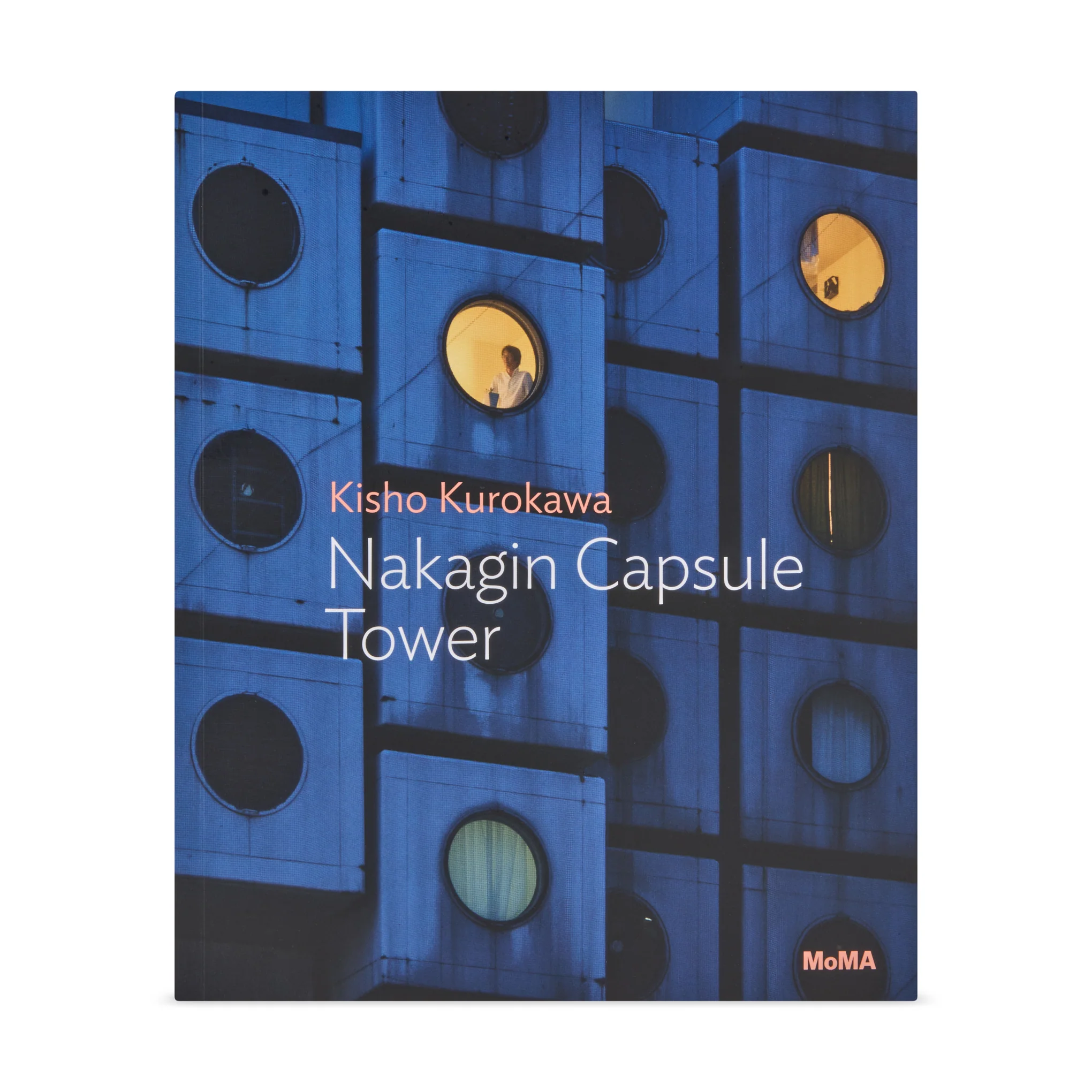
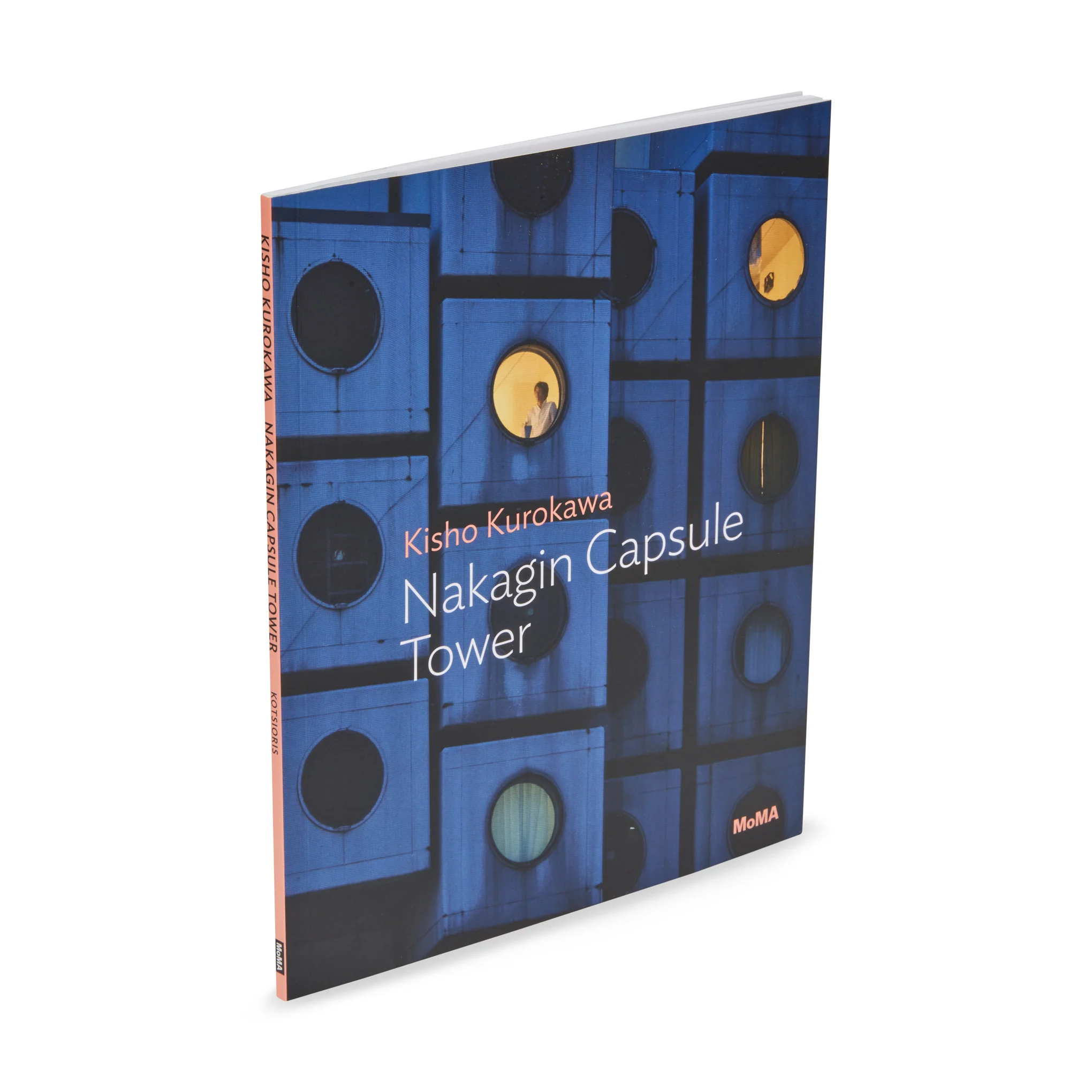
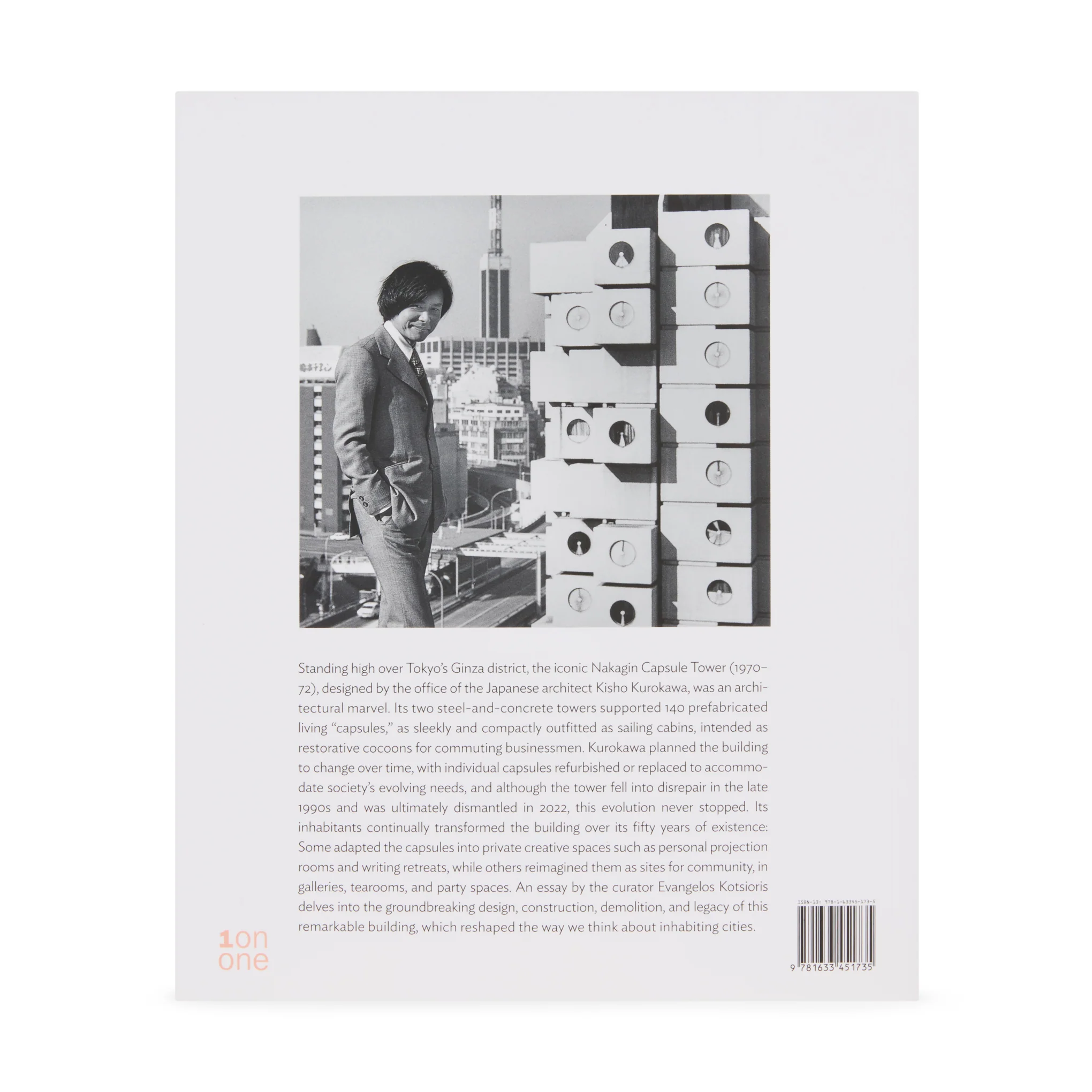
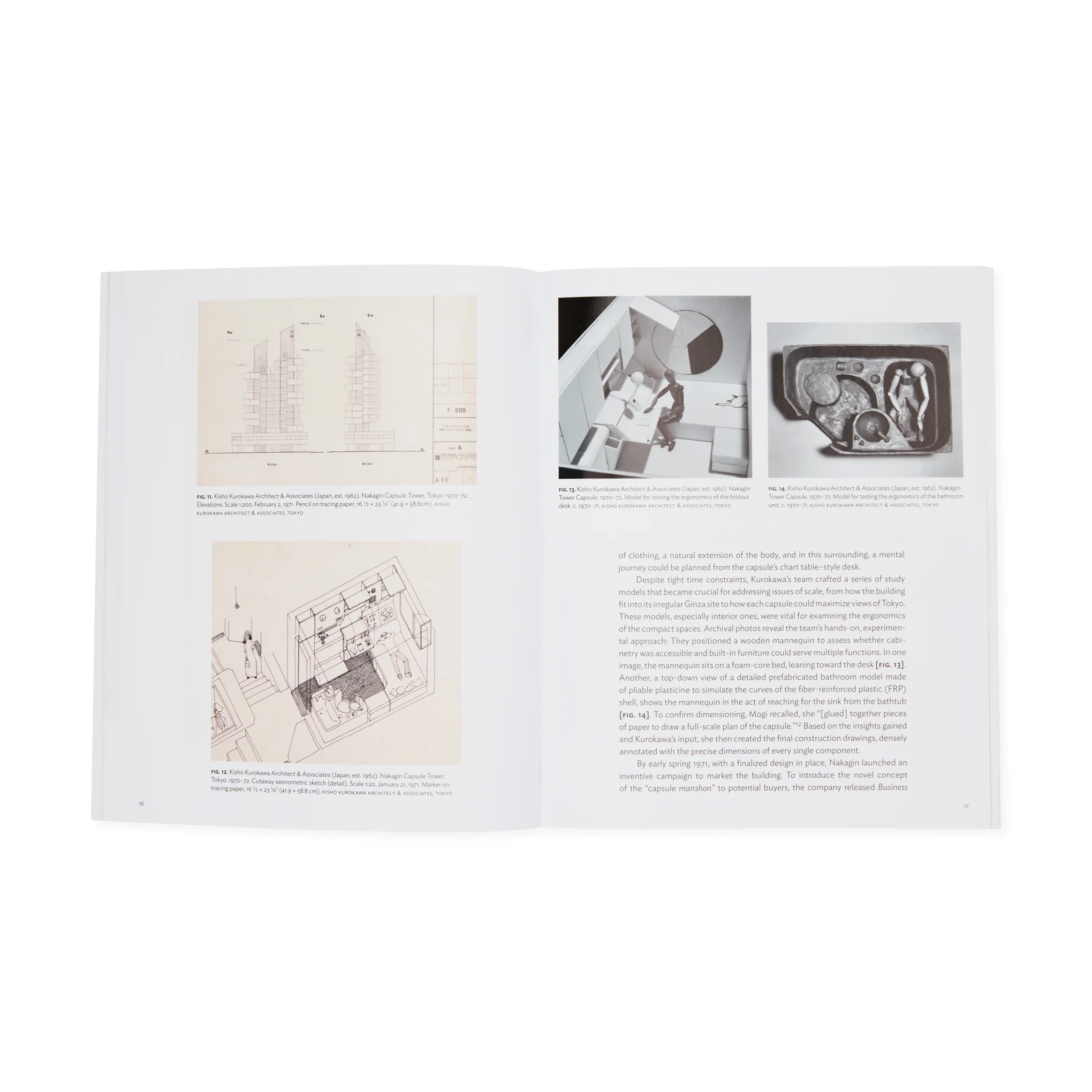
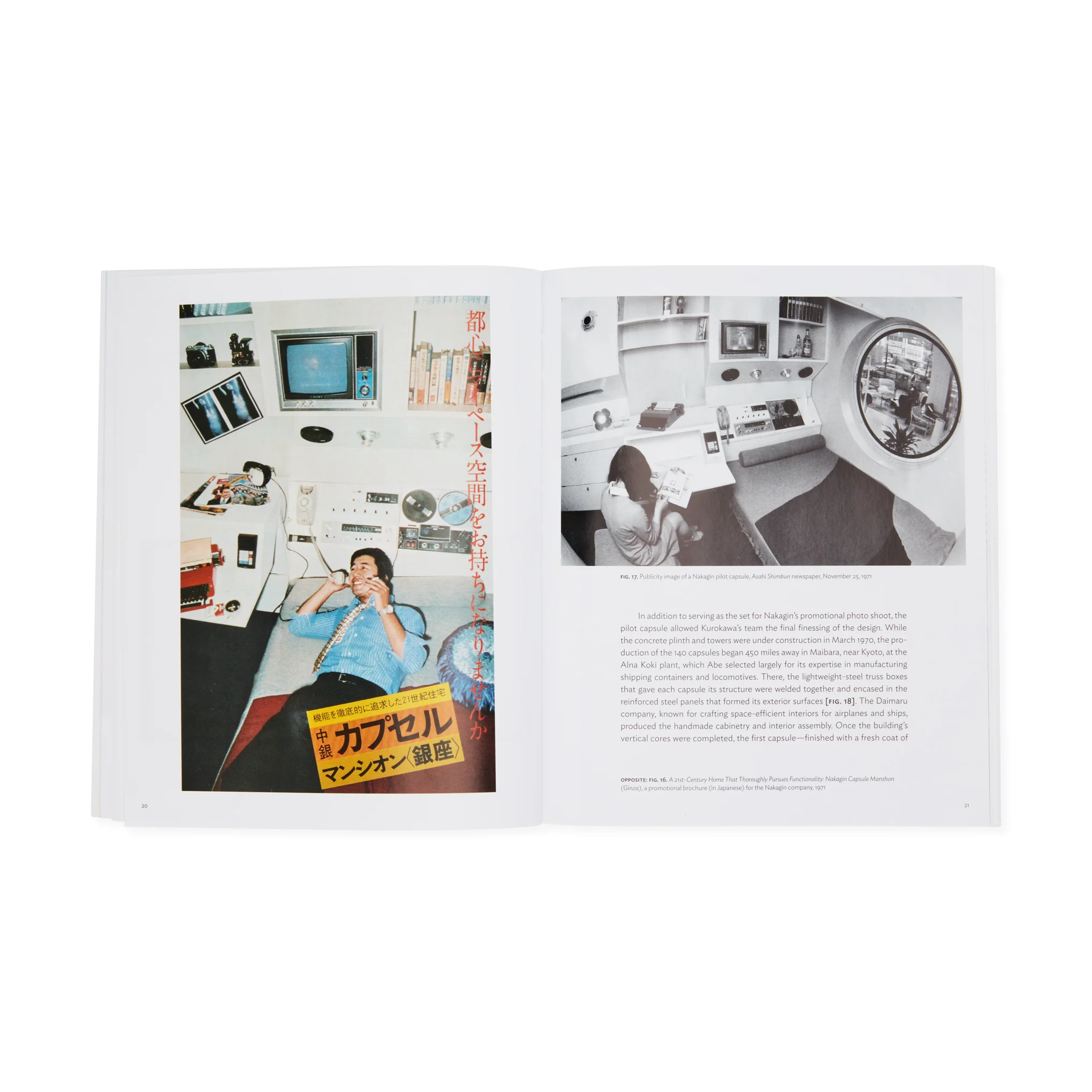
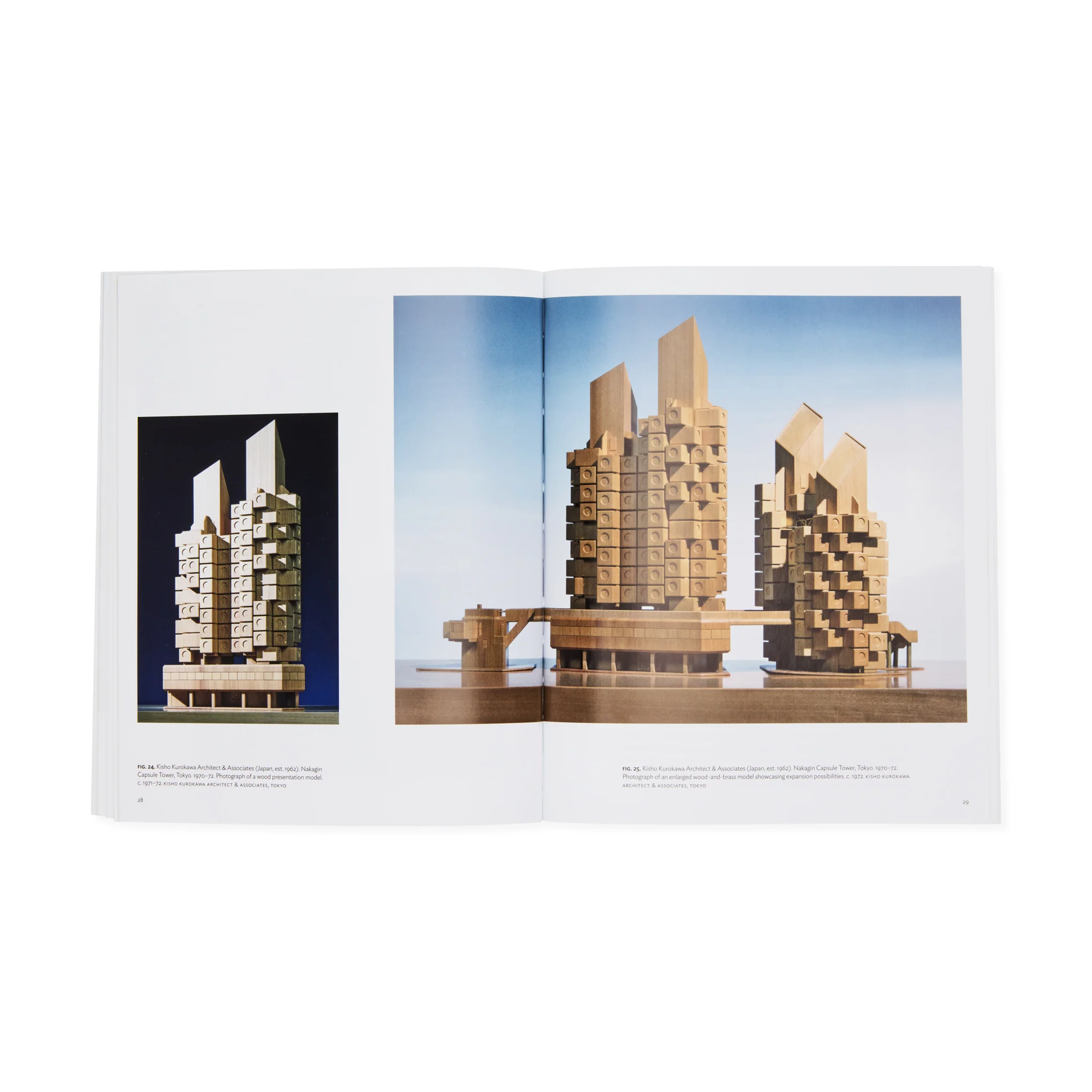
Standing high over Tokyo’s Ginza district, the iconic Nakagin Capsule Tower (1970–72), designed by the office of the Japanese architect Kisho Kurokawa, was an architectural marvel. Its two steel-and-concrete towers supported 140 prefabricated living “capsules,” as sleekly and compactly outfitted as sailing cabins, intended as restorative cocoons for commuting businessmen. Kurokawa planned the building to change over time, with individual capsules refurbished or replaced to accommodate society’s evolving needs, and although the tower fell into disrepair in the late 1990s and was ultimately dismantled in 2022, this evolution never stopped. Its inhabitants continually transformed the building over its fifty years of existence: some adapted the capsules into private creative spaces such as personal projection rooms and writing retreats, while others reimagined them as sites for community, in galleries, tearooms, and party spaces. An essay by the curator Evangelos Kotsioris delves into the groundbreaking design, construction, demolition, and legacy of this remarkable building, which reshaped the way we think about inhabiting cities. 48 pp.; 35 illus.
Product Information
Product Information
Shipping & Returns
Shipping & Returns
Kisho Kurokawa: Nakagin Capsule Tower (MoMA One on One series)
Kisho Kurokawa: Nakagin Capsule Tower (MoMA One on One series)
By Evangelos Kotsioris
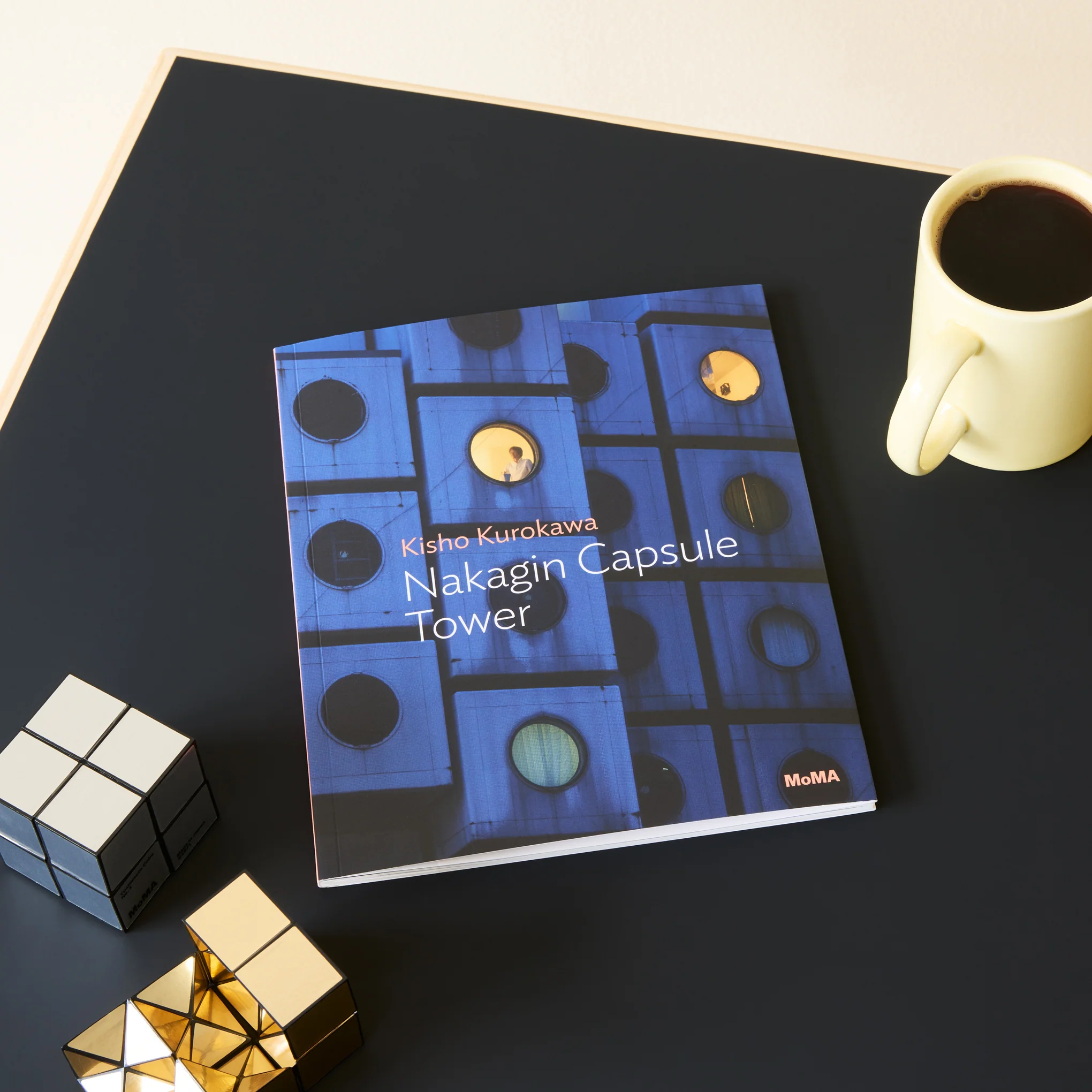
Standing high over Tokyo’s Ginza district, the iconic Nakagin Capsule Tower (1970–72), designed by the office of the Japanese architect Kisho Kurokawa, was an architectural marvel. Its two steel-and-concrete towers supported 140 prefabricated living “capsules,” as sleekly and compactly outfitted as sailing cabins, intended as restorative cocoons for commuting businessmen. Kurokawa planned the building to change over time, with individual capsules refurbished or replaced to accommodate society’s evolving needs, and although the tower fell into disrepair in the late 1990s and was ultimately dismantled in 2022, this evolution never stopped. Its inhabitants continually transformed the building over its fifty years of existence: some adapted the capsules into private creative spaces such as personal projection rooms and writing retreats, while others reimagined them as sites for community, in galleries, tearooms, and party spaces. An essay by the curator Evangelos Kotsioris delves into the groundbreaking design, construction, demolition, and legacy of this remarkable building, which reshaped the way we think about inhabiting cities. 48 pp.; 35 illus.
Original: $14.95
-65%$14.95
$5.23Product Information
Product Information
Shipping & Returns
Shipping & Returns
Description
By Evangelos Kotsioris
Standing high over Tokyo’s Ginza district, the iconic Nakagin Capsule Tower (1970–72), designed by the office of the Japanese architect Kisho Kurokawa, was an architectural marvel. Its two steel-and-concrete towers supported 140 prefabricated living “capsules,” as sleekly and compactly outfitted as sailing cabins, intended as restorative cocoons for commuting businessmen. Kurokawa planned the building to change over time, with individual capsules refurbished or replaced to accommodate society’s evolving needs, and although the tower fell into disrepair in the late 1990s and was ultimately dismantled in 2022, this evolution never stopped. Its inhabitants continually transformed the building over its fifty years of existence: some adapted the capsules into private creative spaces such as personal projection rooms and writing retreats, while others reimagined them as sites for community, in galleries, tearooms, and party spaces. An essay by the curator Evangelos Kotsioris delves into the groundbreaking design, construction, demolition, and legacy of this remarkable building, which reshaped the way we think about inhabiting cities. 48 pp.; 35 illus.